What 7,300 Next Fest demos say about getting found on Steam
77 of the 100 most-played demos came from the wishlist top 500. I looked at who broke through anyway, and what the AI label does and doesn’t explain.
By Shahrum Amiri10 min read
In this post 7 sections
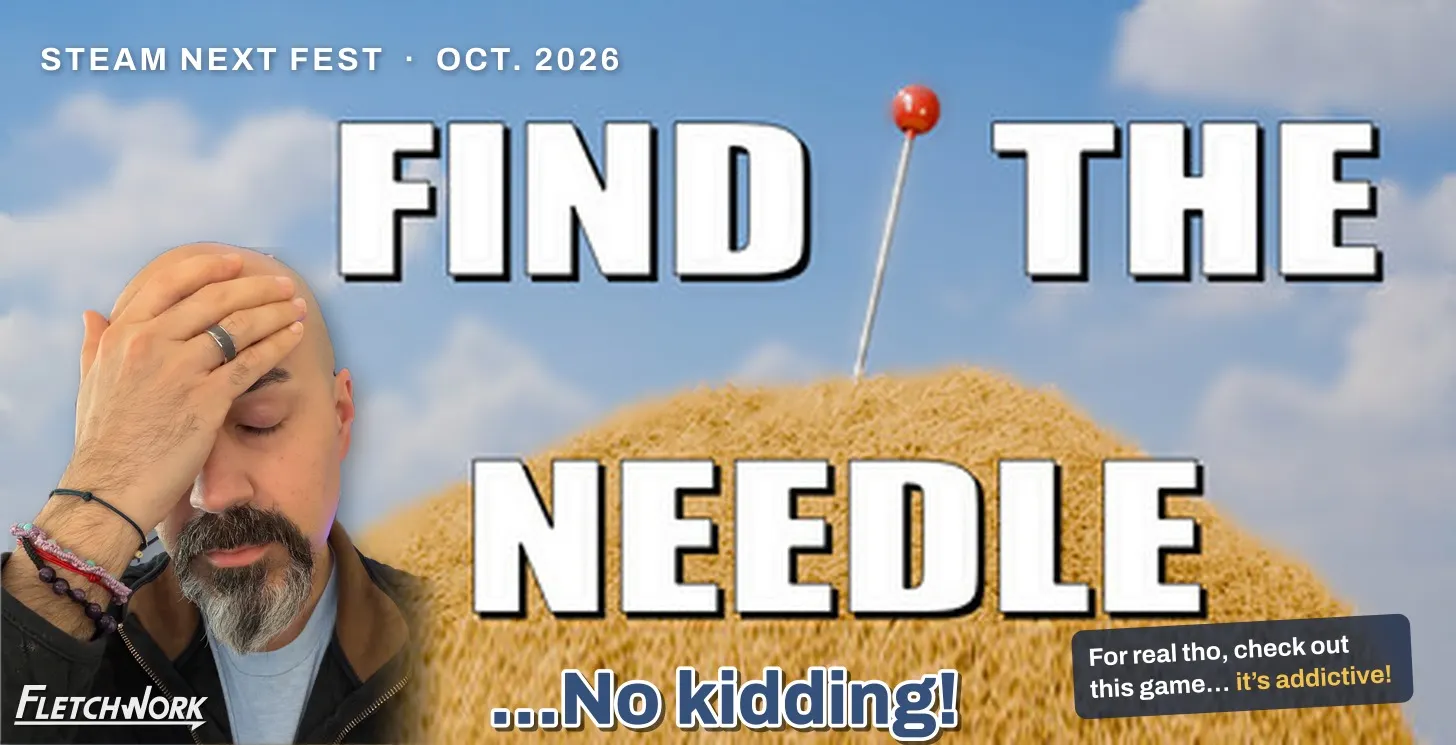
With the WoW Forever beta wrapping up this week, and plenty of downtime before Ocarina, I decided to peruse the demos from Steam’s Fall Next Fest. Ironically, one of the first games to surface on my list was Find The Needle. Finding my next hit felt like exactly that, especially with nearly 7,300 demos, and time and attention scarcer than ever. All jokes aside, coming from someone who’s sunk over 200 hours into Satisfactory, I get the hook on this game!
It surfaced for a reason, though: it’s #13 on Next Fest’s wishlist chart and it’s the fourth most-played demo, which turns out to be most of this story.
tl;dr
96 of the top 100 wishlisted games made the most-played list. None of the 3,291 below #4,000 did.
Multiplayer and idle games drew more players than their wishlist rank predicted, but neither pulled ahead on trending wishlists.
36% of fest titles include Valve’s AI label. Labeled demos show no sign of a penalty once the event began.
Wishlist ranks barely moved over the days I tracked. Next Fest mostly amplifies the audience a game brings with it.
Valve says Next Fest exists to “give visibility to all participating titles.” So over three days I tracked Valve’s own rankings of all 7,291 games (most wishlisted, trending, and most played) to see who is actually getting that visibility.1 Of the 100 most-played demos, 77 came from the wishlist chart’s top 500, a group that’s just 7% of the fest. That doesn’t mean the other 93% aren’t good games. The reality is that nobody is going to be able to sift through 7,300 demos. Most players are probably doing what we all do on Amazon: skip the pages of results and go for the one at the top with the most reviews. So does Next Fest still find game makers a new audience, or has it gotten too big for anyone to be found without one?
Then there’s AI. A lot of the press coverage this week is about AI slop overtaking Next Fest. Kotaku’s Zack Zwiezen wrote that “the vibes are completely rotten,” under a headline calling it “a massive disaster.” Destructoid quoted players calling it an “AI slop fest.” Aftermath reported a publisher canceling a public demo, and a studio playtest, for fear of AI copycats.
That fight is real, and I’ll get to it. For most of the 7,300 games, though, the first problem is simpler: at this size, hardly anyone can find them.
A record crowd, one shot each
Every unreleased game on Steam gets at most one Next Fest. Valve’s rules say so in capital (BOLD!) letters: games “may only participate in ONE Next Fest.” This week, about 7,300 titles are spending that one shot at the same time.
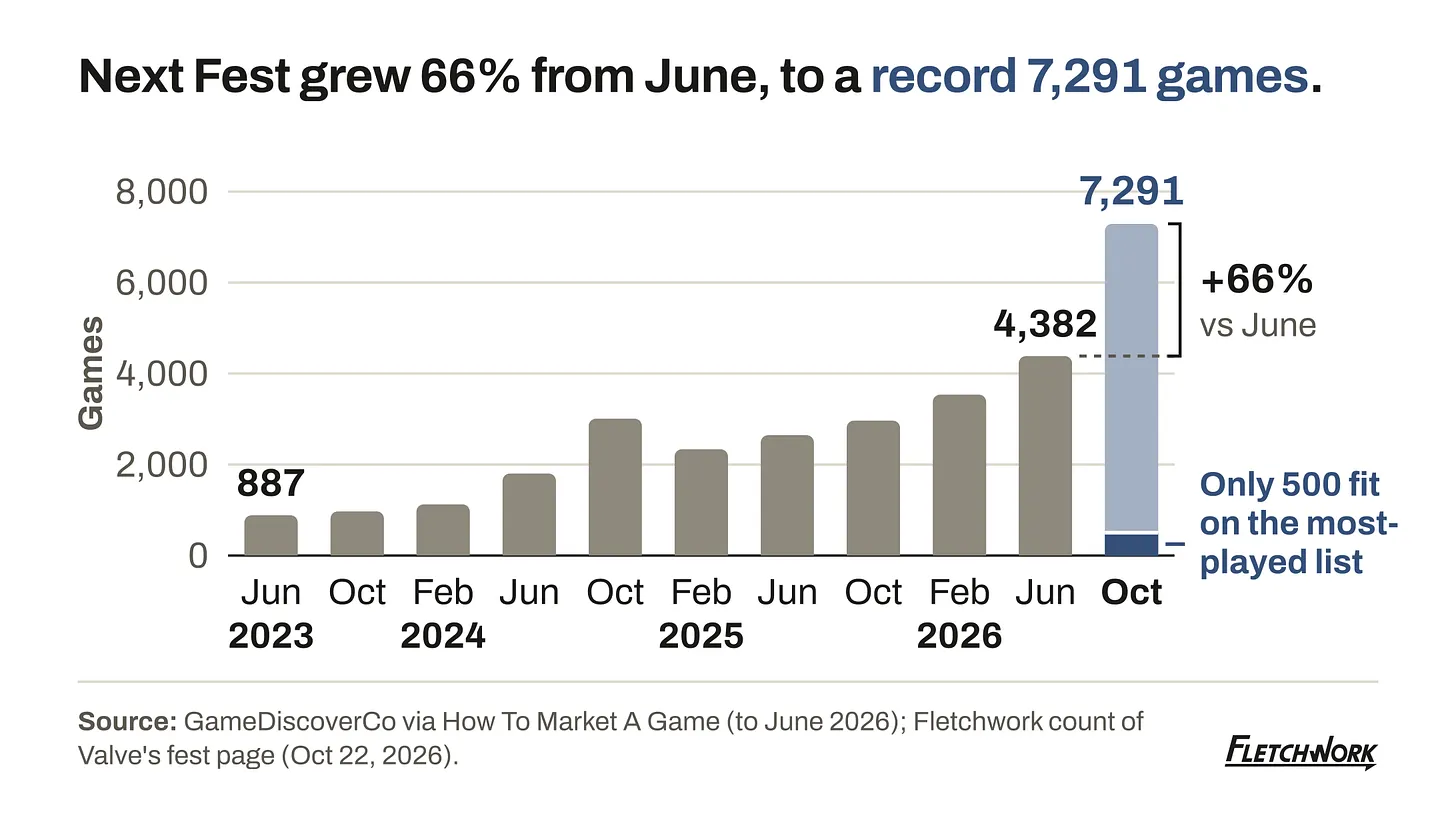
Next Fest had 887 games in June 2023.2 This Fall, it has more than eight times that. A Next Fest demo is now a common step before launch, so everyone’s one shot lands in the same week. Unfortunately for many of these devs, they picked the most congested one we’ve seen yet.

I looked at three of the different ways that Valve’s event page showcases its games:
Top wishlisted ranks every game by wishlists, which build up over months of marketing before the fest.
Trending wishlisted appears to weigh recent wishlist gains.
Most played ranks demos by what is most likely their player count, with room for 500 games.3
Five hundred seats, about 7,300 games. Crowded much?
Players follow the wishlist chart
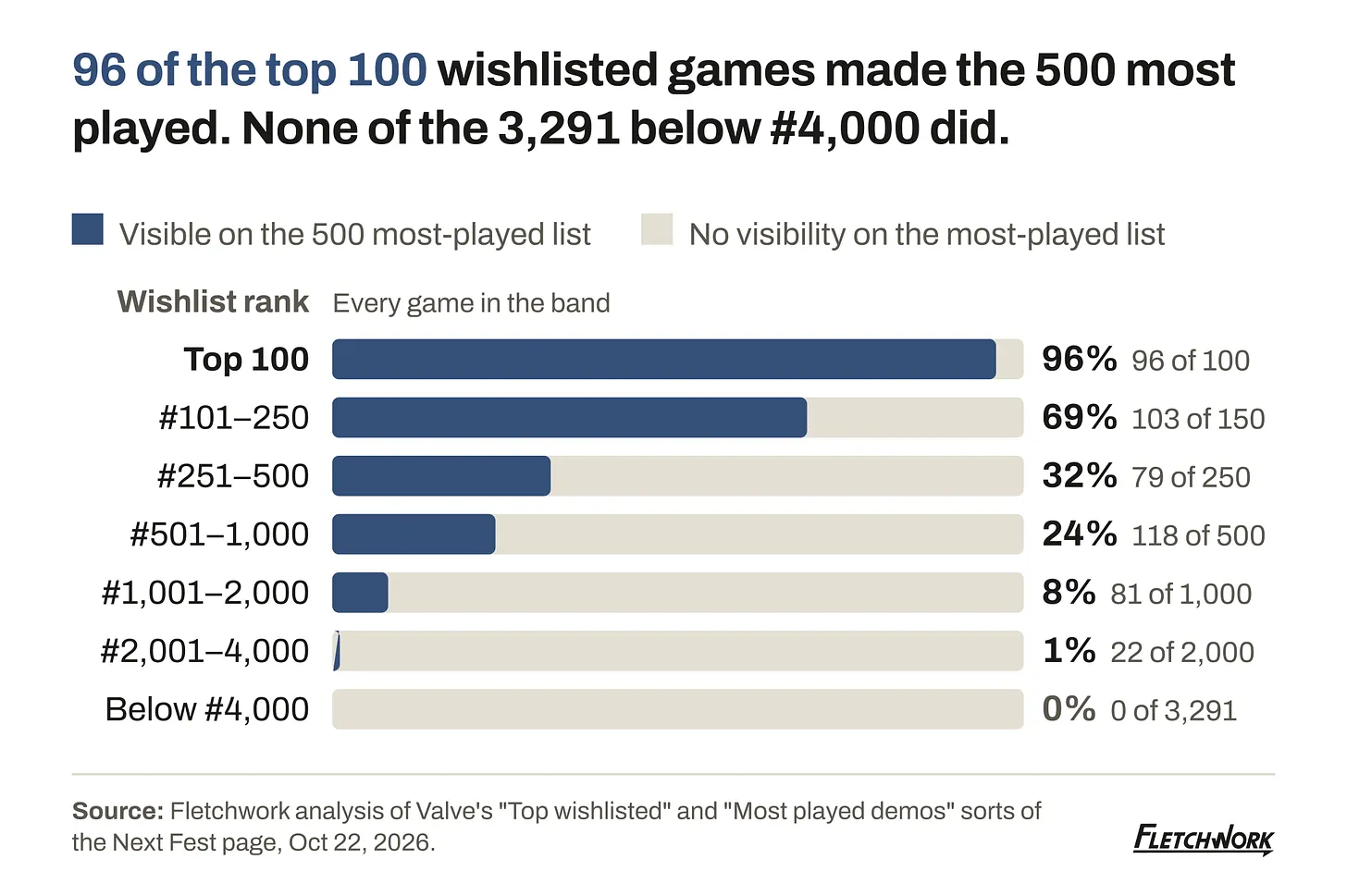
Below the top 500, the drop-off comes fast: nearly 1 in 4 games ranked #501 to 1,000 on wishlists made the most-played list, and 8% of those ranked #1,001 to 2,000.
Trending wishlists tell the same story. Of the top 100 games on that list, 91 were already in the wishlist top 500. None came from below #2,500, where nearly two-thirds of the fest sits.
This happened even though Valve tries to spread visibility. Its pages are “completely randomized in all locations” for the first few days, apart from named lists and personalized feeds. That said: players still went straight to the games highest on wishlists.
Chris Zukowski checked the day before the fest opened: games with more Steam followers that day tended to draw more peak players.4
Multiplayer and idle games outperformed their wishlist rank
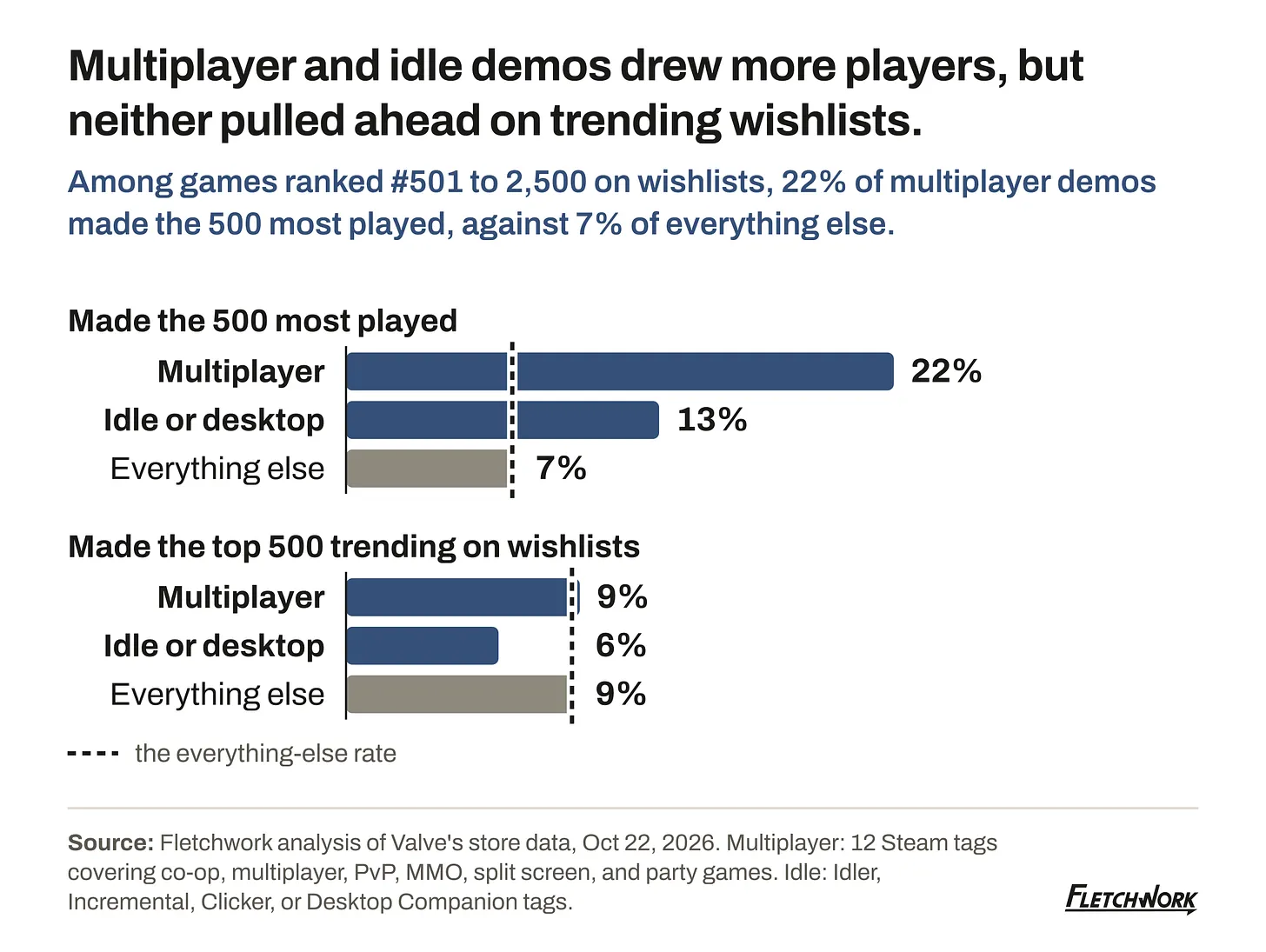
Multiplayer and idle games are the ones that climb onto the most-played list from further down the wishlist chart.5 Of the 100 most-played demos, 23 came from outside the wishlist top 500: 16 multiplayer, 5 idle, and 2 neither (one of them, Dude, Trust Me, hovered right around #500). Multiplayer near the top isn’t new: in October 2024, 9 of the 10 most-played demos had multiplayer or co-op, and six of this Fall’s top ten carry a multiplayer tag.
The extra players didn’t help when it came to trending wishlists, which surprised me. From the same #501 to 2,500 range, 9% of multiplayer demos made the trending top 500, about the same as everything else.
Worst Class Ever is the exception. The party game, for up to six players, which sat at #531 on wishlists (up from #622 a day earlier), became Next Fest’s most-played demo, and climbed to #34 on trending wishlists. It’s the only game in the most-played top ten that sat outside the wishlist top 500.
Is it an AI slop fest?
On October 21 and 22, more than a third of games (2,625 total) carried Valve’s AI label. GameDiscoverCo counted about 1,500 fewer in June, in a fest with about 2,900 fewer games. So yes, there’s a flood, and it’s a big part of why this one is so crowded.
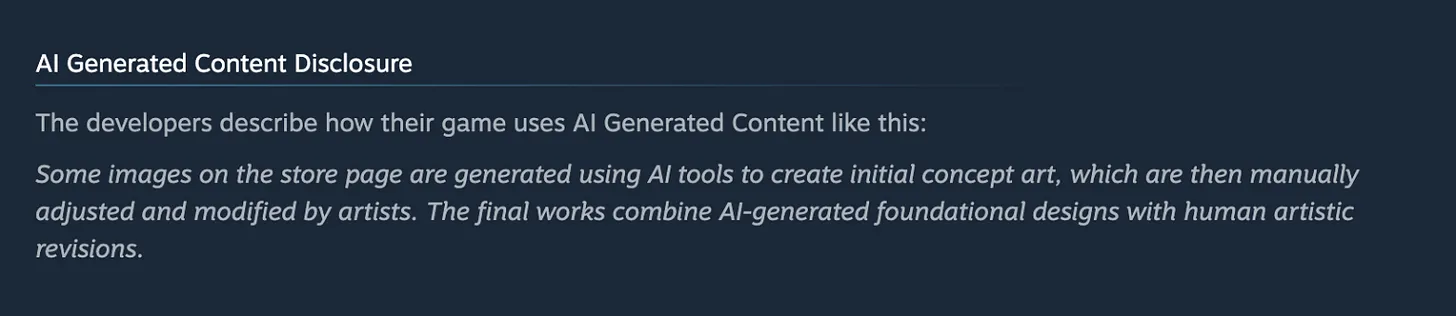
The label also undercounts. Since January, Valve only asks developers to disclose AI-made content, like art, voice, text, and store-page or marketing material, plus AI that generates content while the game runs. Coding tools are exempt, so a game written with an AI assistant and shipped with hand-made art needs no label at all. It also depends on developers disclosing honestly. So treat 36% as a floor.
Among the games that do carry the label, most of it is about art:6
68% mention AI-made art or visuals.
About 3 in 10 mention audio, marketing assets, or translation.
About 1 in 5 mention code (some disclose it anyway).
Under 2% use AI that generates content as you play.
Does the AI tag hurt?
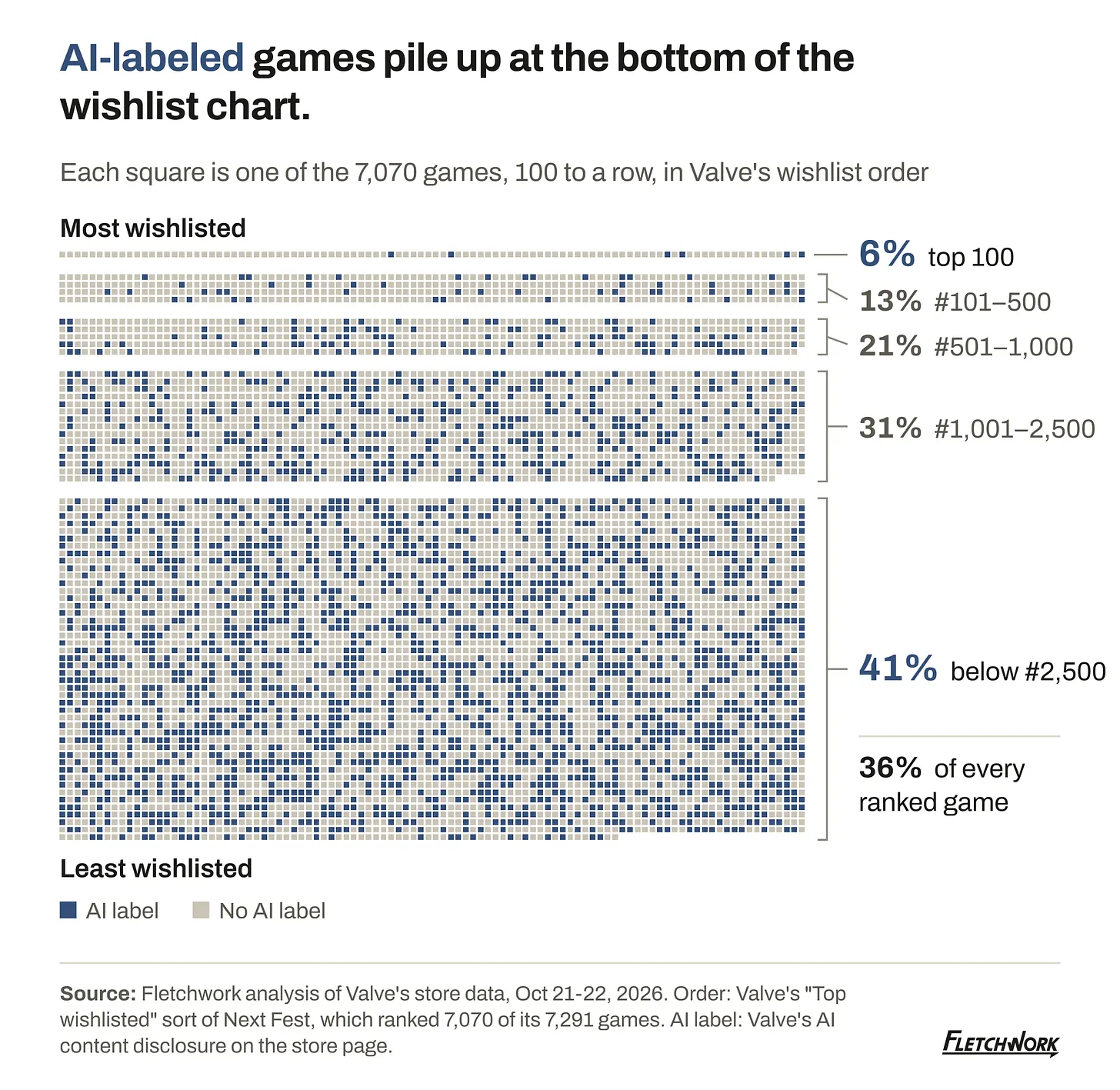
Games with an AI label sit low on the wishlist chart, and they’re scarce at the top of the most-played list too. Only 18 of Valve’s 100 most-played demos carry it, about half the fest-wide rate.
From the same wishlist rank, though, labeled demos did at least as well: from #501 to 1,000, a third made the most-played list, against about a fifth of the rest. Labeled games also tend to have newer store pages, which may flatter them, so the most I’d claim is that there’s no sign of a penalty once the fest started. This data can’t tell you whether the label cost a game wishlists before the fest.
My read
Next Fest has outgrown the way it handles visibility. Valve shuffles its pages for the first few days and offers personalized picks and genre filters, but with about 7,300 demos and 500 places on the most-played list, the most-played demos were still mostly the ones people had already wishlisted. Games that showed up with an audience drew players and held their places on the wishlist sorts. Everyone else spent the week as one demo in the crowd, on lists with no room for them. AI-labeled games made the crowd bigger, and once the fest started, the tag showed no sign of costing them players. It’s a problem of scale more than a verdict on any one game.
None of this makes Next Fest a bad bet. Developers who answered Zukowski’s survey reported a median of 806 wishlists from February’s event, and 1,079 from the February before. For a small game, that’s a real bump. It’s a self-selected survey, though, and with twice as many games this time I’d expect October’s number to come in lower. And some games still break through, mostly games people play together.
Next Fest rarely finds an audience for a game that hasn’t started building one.
When you’re planning your Next Fest
Start before the event. On day four, the games highest on wishlists were the ones on the most-played list. With this many demos, wishlists are the signal players follow, so the audience you build in the weeks and months before is what helps to make your game discoverable.
Spend your one fest when you have the most to amplify. Wishlist ranks barely move during the fest, so where you start is roughly where you finish.7 Valve says there’s “no right answer.” My take: go with the event closest to your launch, when the wishlist count is already the highest.
Judge the week by wishlists. A big player count can flatter a demo. Wishlists are what Steam turns into an email or push notification to the players who added the game, when it launches and when it’s discounted 20% or more.
If your game is played with friends, ask the group. Games people play together were most of the breakouts, but their extra players didn’t show up as extra wishlists. Players who join through a friend may never wishlist at all. Asking players to wishlist is worth trying, though nothing in this data tests whether it works.
Valve posts its wrap-up list after Next Fest ends Monday. Next week I’ll rerun these numbers against it, to see whether Worst Class Ever and the other breakouts held their places and whether follower counts kept climbing after the demos closed.
This Summer, I launched Fletchwork, where I do this kind of research and advise studios and publishers on what it means for their games. If you’re planning a Next Fest or a launch and want this read on your own game and its competitors, message me on LinkedIn.
Notes
The data is Valve’s own Next Fest sorts (“Top wishlisted,” “Trending wishlisted,” and “Most played demos”), read October 20 to 22, 2026 (US Eastern). The fest had 7,291 games on October 22. Wishlist ranks were read mid-fest, so they include wishlists the fest itself brought in. Steam’s wishlist sort reshuffles while it’s read page by page, so my full read on October 22 caught 7,070 of the 7,291 games; only one of the 221 it missed made the most-played list.
Earlier fests’ totals are GameDiscoverCo’s, via How To Market A Game. Earlier AI counts come from SteamDB, TechRaptor, and GameDiscoverCo, which count in different ways. The June AI figure many outlets quoted, 1,704, came from a SteamDB list of about 8,700 titles, about twice the 4,382 games in that fest, so it doesn’t compare.
Valve doesn’t publish the exact measure; its past wrap-up lists counted unique players, not playtime.
A rank correlation of 0.55: a moderate link, which leaves room for the fest to find some games a new audience.
Multiplayer means any of 12 Steam tags: Multiplayer, Co-op, Online Co-Op, Local Co-Op, Co-op Campaign, Local Multiplayer, 4 Player Local, Split Screen, PvP, Massively Multiplayer, MMORPG, or Party Game. Idle means any of the Idler, Incremental, Clicker, or Desktop Companion tags.
A game has the AI label if Valve’s AI disclosure is on its store page. I sorted the disclosure texts into eight categories (art and visuals, audio, writing, marketing assets, translation, code, AI that generates content as you play, and too vague to tell) with a language model’s help, then sampled to verify the methodology. A disclosure can land in more than one category. Yes, I see the irony.
From one day to the next, the median game ranked #501 to 2,500 shifted about 31 places on wishlists (the trending sort moves far more, about 365), so I compare wide bands.